How to Maximize Your Lead Generation Funnel with Automation
With customers expecting quick responses and personalized experiences, businesses need smarter ways to attract, nurture, and convert leads without burning out their team. That’s where marketing automation steps in. It allows companies to simplify complex tasks, deliver timely communication, and focus on what truly matters building relationships and closing deals.
From 2021 to 2024, the marketing automation industry saw a significant surge. According to Statista, its revenue grew by 38.2%, reaching $6.62 billion globally. This growth reflects how automation has become a core part of marketing strategies across industries. In fact, most businesses already use automation in some form.
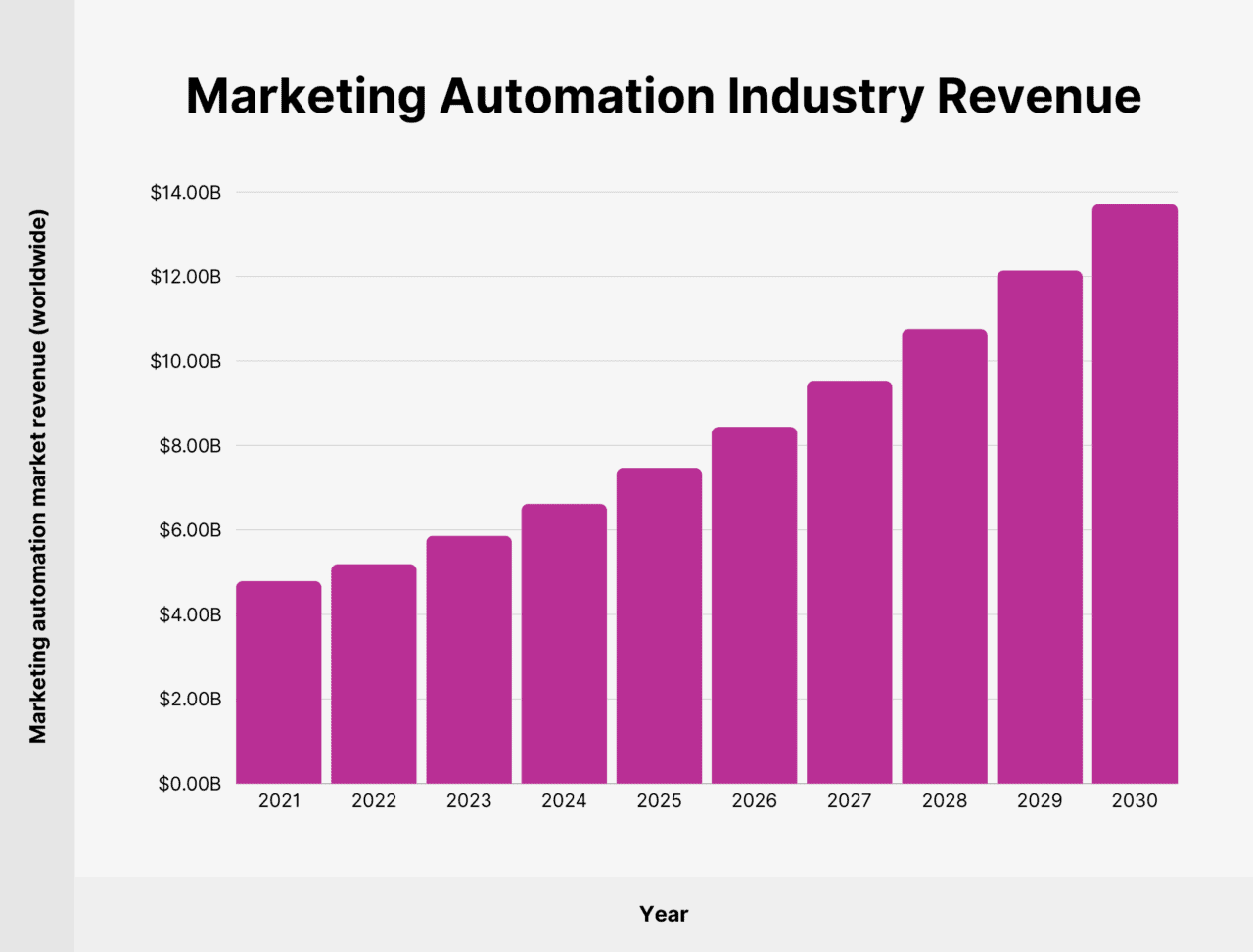
Research by Ascend2 shows that email (63%), social media management (50%), and paid ads (40%) are the top areas where automation is currently applied. These stats reveal a growing trust in automation as a tool that not only saves time but also improves results.
.png)
Let’s walk through exactly how you can maximize your lead generation funnel using automation from tools and strategies to a practical checklist you can implement today.
What Can Be Automated in Your Funnel
Many tasks in your lead generation funnel can be automated without losing the personal touch. These include sending emails, nurturing leads through follow-up sequences, scoring leads based on their behavior, and delivering timely responses. Automation can handle repetitive tasks like email reminders, welcome messages, and even qualifying leads based on their actions. This not only speeds up the process but ensures consistency at every stage.
Step-by-Step Funnel Automation Framework
- Choose the right funnel type – start with a simple lead-generation funnel aligned to your goals.
- Create a compelling lead magnet – e.g., free consultation, checklist, webinar, or trial.
- Build high-converting landing pages – clarity, persuasive copy, and minimal distractions.
- Set up automated email sequences – welcome, nurture, and conversion-focused emails.
- Add social proof + strong CTAs – testimonials, case studies, urgency-driven CTAs.
- Use retargeting & exit popups – win back lost visitors with relevant offers.
- Track performance & optimize continuously – leverage analytics for data-driven growth.
Why Automation Works So Well
The benefits of automation go far beyond saving time. It directly impacts your bottom line. According to AgileGrowthLabs, companies that implement marketing automation boost their sales productivity by around 14.5% and reduce marketing overhead by more than 12%.
Automation improves targeting and reduces bounce rates by sending relevant content at the right time. It helps sales teams focus on qualified leads by scoring them based on actions like clicking a link or requesting a demo. This kind of focus leads to better conversations and faster decisions.
Choosing the Right Tools
To build a strong automated funnel, it’s essential to choose the right tools that align with your goals and audience. Platforms like HubSpot, Mailchimp, ActiveCampaign, and ClickFunnels offer robust features to handle everything from capturing leads to nurturing them automatically.
HubSpot is well known for combining CRM, email automation, and analytics in one place. Mailchimp, while often seen as an email tool, also allows you to build landing pages and set up automations for different segments. ActiveCampaign is ideal for businesses that want deeper personalization, and ClickFunnels makes it easy to create high-converting landing pages without a developer.
Other tools such as Tidio, Drift, and Intercom are great for adding chatbots that engage with website visitors instantly. To connect your apps and automate workflows between them, tools like Zapier, Make, or n8n work quietly in the background to ensure smooth data transfers. And for scheduling calls or demos without back-and-forth emails, platforms like Calendly can handle it all automatically.
The Complete Funnel Automation Stack
- Lead capture tools: Forms, widgets, popups (OptinMonster, involve.me).
- Landing page builders: HubSpot, ClickFunnels.
- Chatbots: Drift, Intercom, Tidio for real-time engagement.
- Email automation: Mailchimp, ActiveCampaign, HubSpot.
- CRM: HubSpot, Salesforce, or 123TWS proprietary CRM.
- Integrations: Zapier, Make, n8n.
- Scheduling: Calendly for frictionless bookings.
- A/B testing & analytics: For optimization and ROI tracking.
Your Expert Resource: The Automation Checklist
- Review workflows & set SMART goals
- Map journey (Awareness → Advocacy)
- Segment leads & personalize messaging
- Build email sequences & retargeting campaigns
- Sync CRM + sales notifications
- Add chatbots, scheduling & popups
- Connect apps via Zapier for real-time lead routing
- Run A/B tests on forms, CTAs & messaging
- Monitor with dashboards & optimize quarterly
Ready to Get Started?
Automation can transform your lead generation funnel into a smart, consistent, and scalable system. You’ll save time, engage better, and close more deals with less effort.
As a next step, you’re invited to book a free consultation where we’ll review your current funnel, identify automation opportunities, and help you take the first step toward building a system that works even when you're not working.
Let automation do the heavy lifting so you can focus on what you do best.
Other Articles






.jpg)


-Starter-Guide.jpg)


.png)


.png)


.png)


.png)


.jpg)
.jpg)


We Partnered With